
Updated November 3, 2026 · Originally published April 1, 2024 · 8 minute read
A vintage jacket, an old game console, and a dining table may all be worth reselling, but they won’t necessarily find buyers in the same place. When you’re learning how to make money reselling items online, the marketplace you choose affects who sees your item, whether you ship or arrange pickup, and how much money you keep after fees and other expenses.
Making money reselling online starts with understanding what your items are worth, where buyers are looking for them, and what it costs to make a sale. From there, you can decide whether to sell occasionally or build an ongoing reselling business.
What Can I Sell Online to Make Money?
Clothing is one option, but it’s hardly the only one. Used electronics, video games, toys, books, tools, sports equipment, collectibles, handbags, and furniture can all attract buyers. A recognizable brand, model number, complete set, or unusual vintage detail may help someone find your item.
If you’re selling belongings you already own, choose things you can accurately describe and check for wear or damage. You don’t have to buy inventory to find out whether you enjoy reselling. The items you’ve stopped using can help you discover what people are willing to buy.
Before putting something up for sale, consider its condition, likely selling price, and whether shipping will be practical. A large dining table may be better suited to local pickup; a game cartridge can reach buyers well beyond your neighborhood.
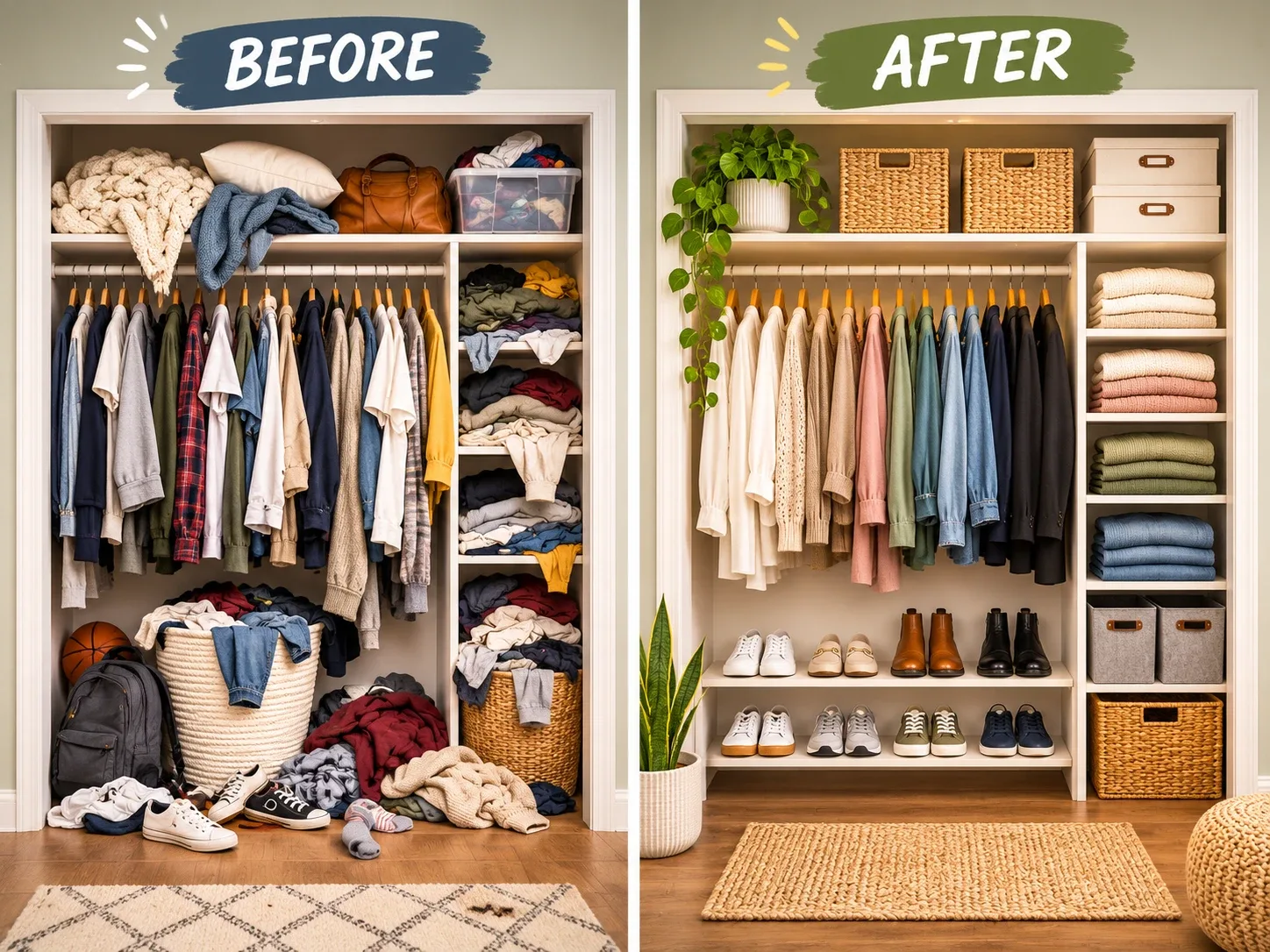
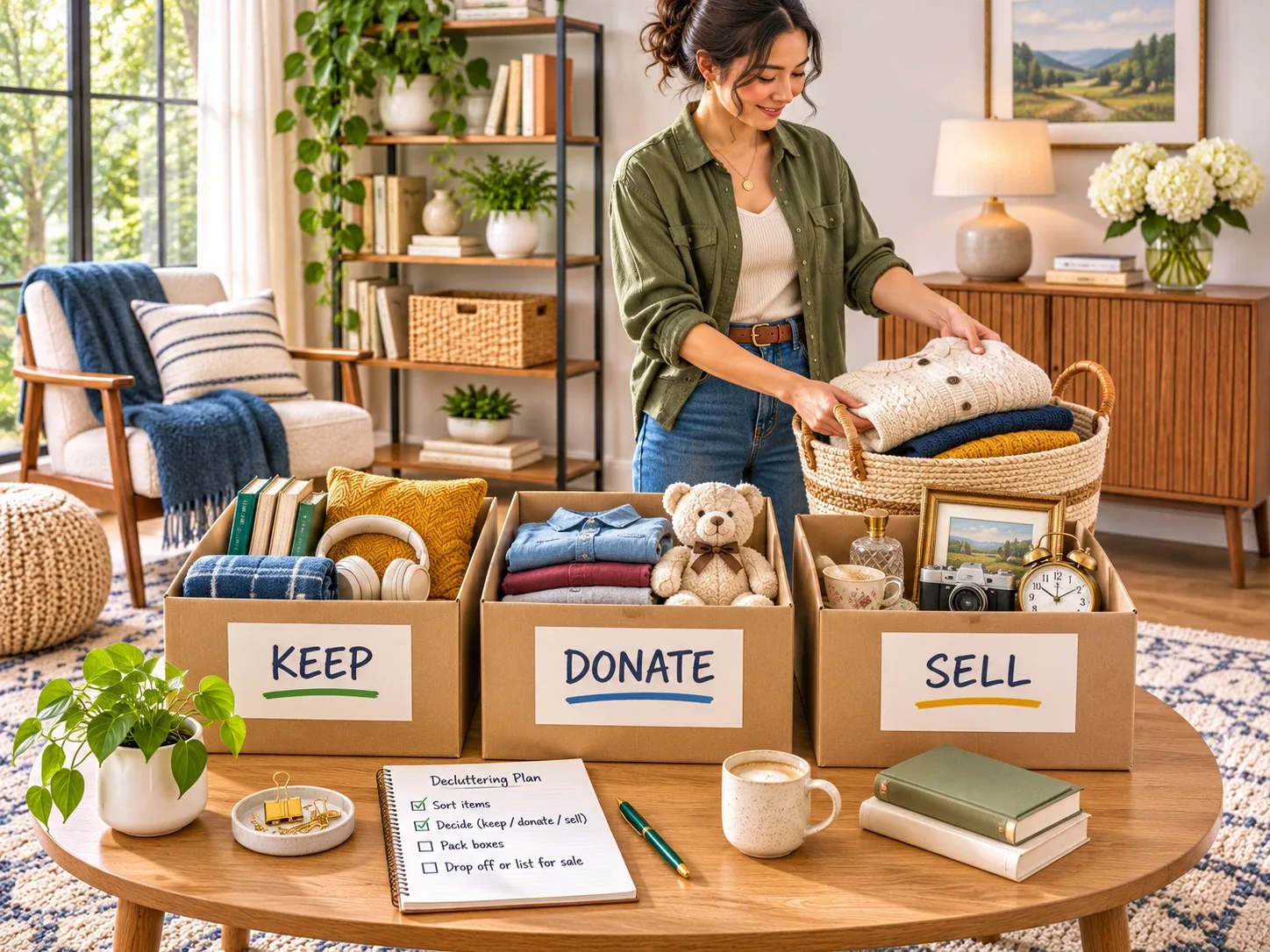
Our decluttering guide offers more ideas for deciding what to keep, sell, or pass along.
What Are the Best Marketplaces to Sell Used Items?
The best marketplace depends on what you’re selling and whether you prefer local pickup or shipping. You don’t need to use every selling platform to get started.
For local furniture, Facebook Marketplace can be simpler because you avoid shipping. eBay and Mercari suit a mix of shippable items; Poshmark and Depop attract fashion shoppers. Whatnot offers both fixed-price listings and live selling, while Reverb specializes in music gear.
These marketplaces are supported by List Perfectly. Each marketplace below links to a related List Perfectly article with more information about what to sell, the marketplace’s audience, selling costs, or how it works.
| Marketplace | Good Place to Start With | What to Consider |
|---|---|---|
| Facebook Marketplace | Furniture, appliances, and household items | Local pickup avoids packing and shipping, but you’ll coordinate with buyers. |
| eBay | Video games, electronics, parts, collectibles, and mixed inventory | Broad categories and sold-price research; check fees and shipping. |
| Mercari | Small household items, toys, clothing, and other shippable goods | Review shipping options and selling costs. |
| Poshmark | Clothing, shoes, handbags, and accessories | Fashion-focused buyers; factor in commission. |
| Depop | Vintage clothing, streetwear, and trend-led fashion | Style, presentation, and audience matter. |
| Etsy | Eligible vintage items and craft supplies | Not a general used-goods marketplace; vintage items must be at least 20 years old. |
| Whatnot | Trading cards, collectibles, sneakers, and more | Offers Buy It Now listings as well as live auctions; going live isn’t required. |
| Reverb | Used instruments, microphones, pedals, and audio gear | Specialized buyers and category-specific listing rules. |
| Vinted | Everyday secondhand clothing and lower-priced fashion | Review photo rules and restrictions on commercial selling. |
You can also compare all selling channels supported by List Perfectly.
A neighborhood buyer looking for a bookshelf and a collector searching for a discontinued game aren’t shopping the same way. Matching the item to the marketplace is more useful than choosing one app for everything.
Marketplaces change their fees, shipping rules, and permitted categories. Check each platform’s current seller policies before listing.
How Much Should I Sell My Used Items For?
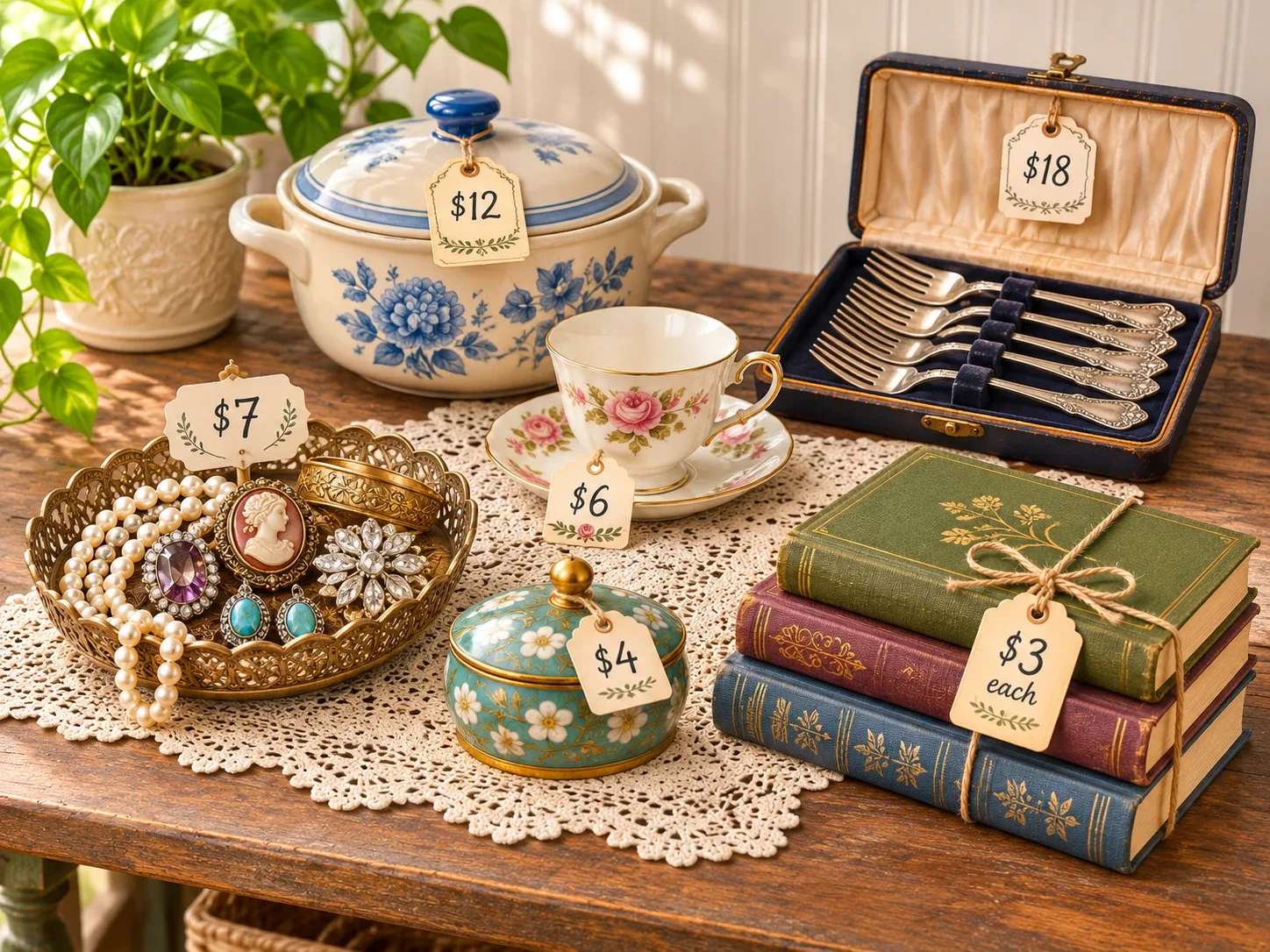
Look at what comparable items actually sold for, not just what other sellers are asking. Search by brand, model, size, age, and condition. A console with its original controllers is not necessarily comparable to one sold for parts.
eBay’s pricing guidance explains how to research completed sales, and its Product Research tool offers additional sales data. You’ll also want to consider marketplace fees, packaging, shipping you pay, and the possibility of offers.
Accurate photos matter just as much as the price. Photograph the real item, show wear honestly, and describe what is included. A missing charger, cracked screen, or stained lining can affect both the selling price and the buyer’s expectations.
When you’re ready to go deeper, our article on researching and pricing resale items explains Google Lens, eBay sold-price comparisons, and the pricing tools available inside List Perfectly.
Where Can I Find Items to Flip for Profit?
Once you’ve sold a few things, you may start noticing items that could be bought inexpensively and resold. Flipping means buying an item with the intention of selling it for more than your total costs.
Thrift stores, yard sales, estate sales, clearance racks, and local secondhand listings can be good places to look. Friends and family may also have belongings they’re happy to give away. Confirm you’re free to resell them, and check that they’re worth listing.
You can also learn from experienced resellers who share what they find, what they buy, and how they recognize items worth reselling.
Becky Park: Clothing and Thrift Store Finds
Becky Park began by selling clothing from home and later discovered she could source additional inventory at thrift stores. In her conversation on The Seller Community Podcast from List Perfectly, she discusses her experience selling clothing part-time, discovering brands worth researching, and expanding to additional marketplaces.
Her story is especially relatable for anyone considering reselling without leaving their regular job.
Cary Williams of American Arbitrage: Yard Sales, Cards, and Collectibles
Cary Williams, known as American Arbitrage, shares his experience with sports cards, collectibles, and sourcing opportunities. His conversation on The Seller Community Podcast explores what beginners should understand about buying and selling cards, researching value, and recognizing potential finds.
His sourcing experience also includes garage sales, thrift stores, and other places where overlooked collectibles can turn up.
Vikki Zilverberg of LV Pink Peacock: Vintage Clothing and Collectibles
Vikki Zilverberg of LV Pink Peacock has decades of experience selling vintage clothing, fashion, and unique collectibles.
Vintage sellers can benefit from learning to examine clothing labels, tags, zippers, materials, and construction details. Recognizing when something was made can help determine whether a thrift-store find deserves further research.
Wholesale or liquidation boxes are another option, but they carry more risk: you may receive unsellable items, duplicates, or merchandise that costs more to store and ship than it’s worth. They’re not the place I’d encourage a casual seller to begin.
Before buying a potential flip, check sold prices, inspect the condition, and calculate what you could keep after costs. An item with a $70 asking price isn’t automatically a profitable find.
For examples to research, explore our existing guide to 10 categories of items you can flip online, including electronics, vintage clothing, books, collectibles, and furniture.
How Much Money Can You Make Selling Stuff Online?
There’s no single earnings figure. Selling belongings you already own can bring in extra cash, while regularly buying items to flip introduces acquisition costs, time, and business expenses. A sale price is not the same as profit.
Consider an illustrative flip: you buy an item for $8 and sell it for $40. If seller fees are $6, postage costs you $6, and packaging is $1, you have $19 left before other expenses and taxes. That’s very different from saying you “made $40.” If you sell a personal belonging instead, the cash you recover also needs to be distinguished from what you originally paid for it.
Reselling can grow beyond occasional sales. In a November 2021 Modern Retail interview, experienced seller Theresa Cox described starting with her own belongings and thrift-store finds. The publication reported that she was generating over $200,000 in annual sales across seven resale platforms at the time. That’s revenue, not take-home profit or a typical beginner outcome. Her List Perfectly reseller story tells more about her journey.
You can remain a casual seller, or you can decide to source more inventory and sell consistently. When you’re ready for multiple supported marketplaces, List Perfectly helps you create listings, crosslist, and organize inventory while you review and publish your marketplace listings.
Frequently Asked Questions
Flipping is a type of reselling: you acquire an item specifically to sell it for more than your costs. Reselling also includes selling belongings you already own.
No. Marketplaces already bring buyers and sellers together. Your own store is a separate decision if you later want one.
Yes, when the marketplaces allow it. Keep listing details and availability accurate, and promptly remove other active listings after the item sells.
The first few sales can tell you a lot: what buyers want, where your items find an audience, and which expenses affect your earnings. That’s useful information whether you sell occasionally or decide to build a reselling business.